A mother who will never get another call from her child. A little boy blowing out birthday candles without his dad beside him. A father who still has his daughter’s number saved in his phone because he cannot bring himself to delete it. A family gathering where someone is always missing.
These are the lives behind the numbers.
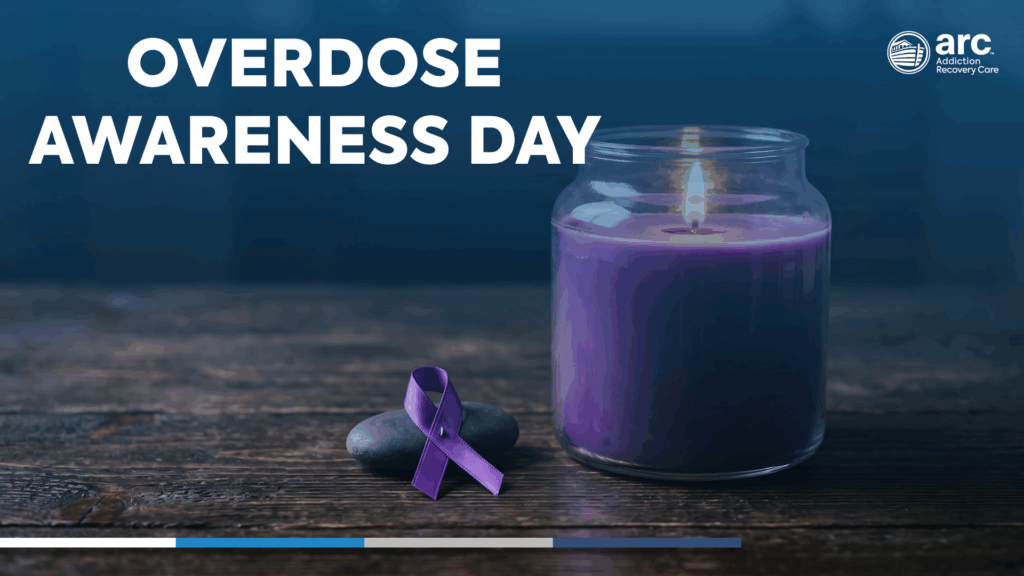
For 25 years, International Overdose Awareness Day has provided a time to remember and honor the lives lost too soon to overdose. Each year on August 31, communities come together to remember those we’ve lost and raise awareness to help prevent future deaths.
Here in Kentucky, we have seen firsthand just how devastating this crisis can be. In 2021, the Commonwealth experienced the highest number of overdose deaths ever recorded. Since then, the numbers have moved in a hopeful direction. According to Kentucky’s 2025 Drug Overdose Fatality Report, overdose deaths have decreased 50.8% since 2021 and 22.9% from 2024. In 2025, Kentucky recorded its lowest number of overdose deaths since 2014.
But even with this progress, 1,110 Kentuckians lost their lives to a drug overdose in 2025. That’s 1,110 families whose lives were changed forever.
This is why Overdose Awareness Day matters. It is a day to honor those we have lost, stand beside those who continue to grieve and remind our communities that overdose deaths are preventable. It is a chance to talk openly about substance use, challenge the stigma that can keep people from asking for help and make sure those who are struggling know they are not alone. Every person still struggling is a life worth fighting for.
Overdose Can Affect Anyone
Substance use disorder does not define a person’s character, worth or future. It can affect people from every background, community and stage of life.
The stigma surrounding addiction can also become a barrier to getting help. When people are afraid of judgment, they may be less likely to talk about what they are experiencing or reach out for treatment.
That is why education and compassion matter.
We can all play a role in creating communities where people feel safe asking for help. Sometimes, that starts with changing the way we talk about addiction and the people affected by it.
Recovery begins with hope, and hope often begins when someone realizes they are not alone.
Knowing the Signs of an Overdose Can Save a Life
An overdose can happen quickly. Knowing the warning signs and acting immediately can make a difference.
Possible signs of an opioid overdose include:
- Unresponsiveness or unconsciousness
- Slow, shallow or stopped breathing
- Blue, gray or pale lips and fingertips
- Gurgling, choking or unusual snoring sounds
- A limp body or inability to wake the person
If you believe someone may be experiencing an overdose, call 911 immediately. If naloxone is available, administer it according to the product instructions and remain with the person until emergency help arrives.
When in doubt, act. You could save a life.
Recovery Is Part of Prevention
Preventing overdose is not just about responding in an emergency. It also means making sure people have access to help before they reach a crisis.
Treatment and recovery can look different for every person. It may include medical care, counseling, medication-assisted treatment, peer support, residential treatment, outpatient services, recovery housing, education, employment opportunities and other forms of support.
There is no single path to recovery.
What matters is helping people find the care and resources that meet them where they are and support them as they build a healthier future.
There Is Still Hope
The decline in overdose deaths across Kentucky is a reason to be encouraged. Lives have been saved because people, families, communities and organizations continue to fight for prevention, treatment, and recovery efforts. .
But there is still work to do.
For the person who is struggling today, this could be the moment you ask for help. For a family member, it could be the moment you start a difficult but necessary conversation. For a community, it could be the reminder that compassion, education, prevention and access to treatment can save lives.
Every person deserves the opportunity to discover that recovery is possible.